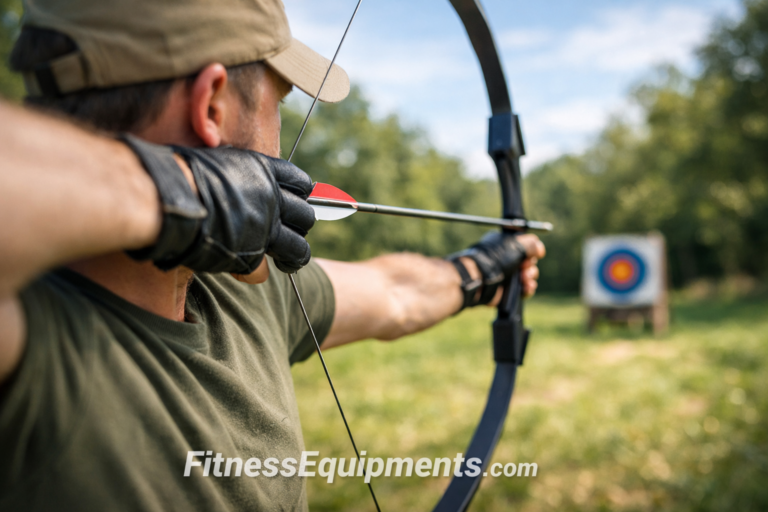
So you’ve caught the archery bug. Welcome to the rabbit hole of gear research—where one bow costs pocket change and looks like it’ll splinter on the third draw, and another runs higher than your monthly rent. Somewhere in between, the Samick Sage takedown recurve bow keeps showing up. Forum threads mention it. YouTube reviewers recommend it. That one friend who shoots swears by it.
This isn’t a coincidence.
Few beginner bows build the kind of following that the Samick Sage has earned. Walk into almost any range and you’ll spot one—sometimes in the hands of someone who just started last month, sometimes belonging to an archer who’s been shooting for years and simply never felt the need to replace it. What’s behind that kind of staying power? Let’s get into it.
What Makes the Samick Sage Takedown Recurve Bow Stand Out
Before diving into specifics, here’s a quick overview of what you’re getting.
The Samick Sage recurve is a 62-inch takedown bow designed by Samick Sports, a Korean company that’s been manufacturing archery equipment since 1975. That’s nearly five decades of experience backing every bow they produce—and their equipment has been used by competitive archers worldwide.
Key specifications:
- Length: 62 inches (AMO)
- Draw weights available: 25 to 60 pounds
- Riser material: Laminated olive Dymondwood and hard maple
- Limb material: Hard maple core with black fiberglass
- Limb tips: Phenolic-reinforced (compatible with FastFlight strings)
- Recommended brace height: 7.5 to 8.25 inches
- Pre-installed: Brass bushings for sight, stabilizer, plunger, and quiver
Now, specs alone don’t explain why this bow dominates beginner recommendations. The reasons go deeper.
Reason 1: The No-Tools Takedown Design
Here’s what often gets overlooked about the Samick Sage takedown recurve bow: the limbs attach and detach without any tools.
The limb bolts can be unscrewed by hand. No hex keys. No wrenches. No frustration trying to find the right size Allen wrench at 6 AM before heading to the range.
Why does this matter?
Portability becomes effortless. A 62-inch bow doesn’t fit easily into most car trunks or closets. But disassembled? The riser and two limbs tuck neatly into a compact case. Many archers report using standard travel cases designed for takedown recurves, with room to spare for accessories.
Storage stays simple. Recurve bows shouldn’t stay strung when not in use for extended periods—it can stress the limbs over time. The easy takedown design encourages proper storage habits without making it feel like a chore.
Reason 2: Upgradability That Grows With You
Many beginner bows become obsolete within months. As archers develop strength and refine technique, they outgrow their equipment. The Samick Sage recurve sidesteps this problem elegantly.
The limbs are sold separately. Start with 25-pound limbs while learning form. Six months later, swap in 35-pound limbs without buying an entirely new bow. The riser stays the same—only the limbs change.
This approach saves money over time. Rather than purchasing three different bows as skills progress, many archers purchase one Sage riser and multiple limb sets.
The pre-installed brass bushings expand your options further. Want to add a sight for target shooting? The bushing is already there. Interested in stabilizers for steadier aim? Ready to go. Thinking about bow fishing? Compatible.
According to World Archery’s guide on buying a first recurve bow, the riser is the component worth investing in most—it forms the foundation for everything else. The Sage’s riser delivers durability and accessory compatibility that supports years of shooting.
Reason 3: Quality Materials at a Budget-Friendly Price
The combination of olive Dymondwood and hard maple in the riser isn’t just attractive—it’s functional. These laminated hardwoods provide durability, shock absorption, and a balanced feel in the hand.
The limbs use a hard maple core wrapped in black fiberglass. This construction handles repeated shooting without warping or degrading quickly. The phenolic-reinforced tips deserve special mention: they allow the bow to accept modern FastFlight strings, which offer better performance than traditional Dacron strings.
What’s remarkable is that these materials typically appear in bows costing significantly more. The Samick Sage takedown recurve bow delivers mid-range quality at entry-level pricing—a combination that explains much of its popularity.
Reason 4: Forgiving Performance for Learning Archers
Technical specifications matter, but how does it actually shoot?
User feedback consistently highlights smoothness. The 62-inch length contributes to stability during the draw cycle, making it forgiving of small inconsistencies in form. Shorter bows can feel “stacky”—meaning draw weight increases sharply toward full draw—but the Sage maintains a more gradual, comfortable pull.
The cut-past-center shelf allows for shooting “off the shelf” with proper arrows, or installing an arrow rest for a more modern setup. This flexibility lets archers experiment with different styles without equipment limitations.
Here’s something that rarely gets mentioned: the bow’s weight. The physical mass (not draw weight) sits at a manageable level that doesn’t fatigue arms during extended practice sessions. For beginners building strength and muscle memory, this matters more than many realize.
Reason 5: A Proven Track Record
The Samick Sage isn’t new. It’s been on the market for years, accumulating thousands of reviews and real-world tests. That history provides something invaluable: predictability.
New bows are gambles. Manufacturing quality varies. Design flaws emerge over time. The Sage has already weathered that scrutiny. Common issues are documented—along with solutions.
For example, the included bowstring receives mixed feedback. Many archers report it works adequately but benefits from early replacement with a higher-quality aftermarket string. Knowing this upfront lets buyers plan accordingly rather than discovering it through frustration.
The draw weight tolerance is another known factor: traditional bows vary approximately 2.5 pounds per inch from the rated draw length. A bow rated at 40 pounds at 28 inches draws roughly 37.5 pounds at 27 inches or 42.5 pounds at 29 inches. Understanding this helps archers select appropriate limbs for their actual draw length.
What to Know Before Buying
The Samick Sage takedown recurve bow fits most archers well, but a few considerations help ensure it’s the right choice.
Draw length matters. The 62-inch length accommodates draw lengths up to approximately 29 inches comfortably. Archers with longer draws—typically those over 6 feet tall—may find the bow feels less smooth at full extension. In those cases, longer bows (66-68 inches) often work better.
Hand orientation requires attention. Right-handed bows are held with the left hand and drawn with the right. This confuses many first-time buyers. Determine your dominant eye, not just your dominant hand, when selecting orientation.
No arrow rest is included with the base bow. Budget for a stick-on rest or a screw-in elevated rest if you don’t plan to shoot off the shelf. Both options cost little and install easily.
Getting Started With Your Samick Sage
Owning the bow is step one. Using it effectively requires a bit more.
Invest in a bow stringer. Stringing a recurve by hand risks twisting limbs or injuring yourself. A simple stringer tool costs a few dollars and protects both you and the bow.
Start with lighter draw weight than you think you need. New archers commonly overestimate their strength. A 25 or 30-pound draw weight allows focus on form rather than muscle strain. Strength builds quickly with practice—limbs can always be upgraded later.
Consider a lesson or beginner course. Many local archery clubs offer introductory sessions. Learning proper stance, anchor points, and release technique early prevents bad habits that become difficult to correct later.
Final Thoughts
The Samick Sage takedown recurve bow earned its reputation through consistent delivery of what beginning and intermediate archers actually need: reliable construction, room to grow, and accessible pricing.
It won’t be the last bow most archers ever own. But it serves as an excellent foundation—a platform for learning fundamentals, discovering preferences, and deciding where the archery journey leads next.
Whether the goal is backyard target practice, competitive shooting, or eventually bowhunting, the Sage provides a solid starting point without demanding a significant financial commitment upfront.
Ready to take your first shot? You’ve picked a good place to start.