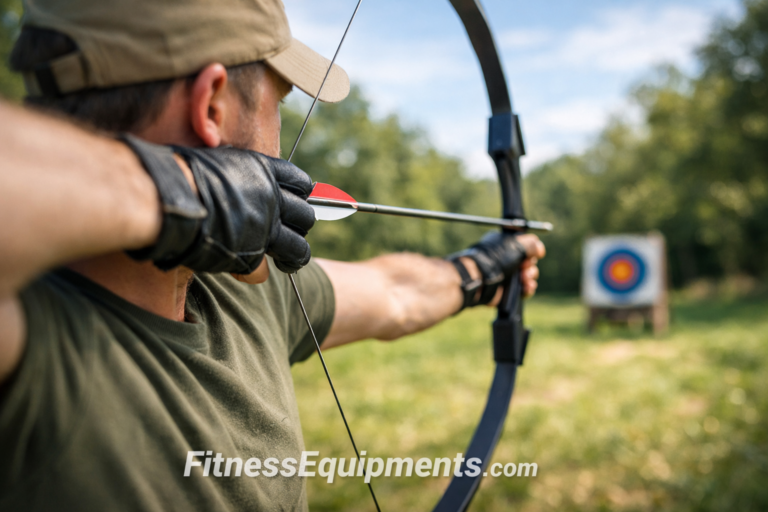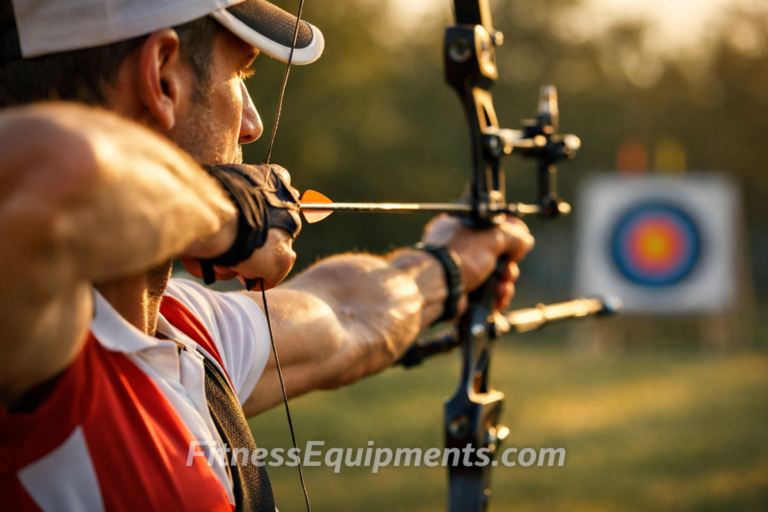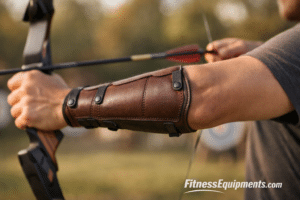
A well-chosen doesn’t just prevent pain—it builds the kind of shooting confidence that actually improves accuracy. When you’re not subconsciously bracing for impact, your form stays relaxed, your grip stays loose, and your follow-through stays consistent.
Yet many archers, especially those just starting out, either skip arm guards entirely or grab the cheapest option without understanding what actually matters. The result? Continued string slap, awkward fit, restricted movement, or gear that falls apart after a few sessions.
You know the feeling: form feels good, release is smooth—and then the bowstring snaps directly into your bare forearm. That sharp sting. The immediate welt. The flinch that follows you into your next ten shots.
That flinch is the real problem. Not just the momentary pain, but how anticipating it changes everything about how you shoot.
What separates forgettable arm guards from those that genuinely make a difference? Let’s break it down.
Why Archery Arm Guards Matter More Than Most Beginners Realize
Before diving into features, it’s worth understanding why forearm protection deserves serious consideration—not just a quick afterthought purchase.
The String Slap Problem
When an archer releases the bowstring, it travels forward at significant speed. If the bow arm’s forearm rotates even slightly into the string’s path, contact happens. This is called string slap, and it ranges from mildly annoying to genuinely painful depending on draw weight and frequency.
Many new archers assume string slap only happens due to poor form. While technique certainly plays a role, even experienced shooters occasionally catch their forearm—especially when fatigued, trying new equipment, or shooting in challenging conditions. Archery arm guards provide consistent protection regardless of how perfect (or imperfect) any given shot might be.
The Confidence Factor
Here’s the reality that rarely gets discussed: anticipating pain changes how people shoot.
When an archer has experienced string slap—or is worried about experiencing it—the body naturally tenses. Grip tightens. Shoulders creep upward. The bow arm bends slightly inward as a protective instinct. All of these micro-adjustments hurt accuracy far more than most archers realize.
A reliable bow arm guard removes that mental variable entirely. Knowing protection is in place allows the conscious mind to focus on aiming and the subconscious to stop bracing for impact.
Beyond Beginners
It’s easy to assume arm guards are training wheels—something to use until form improves enough to avoid string contact entirely. But walk through any competitive archery event, and you’ll notice arm guards on archers at every level.
Why? Because even perfect form doesn’t guarantee zero contact forever. Clothing shifts. Muscles fatigue. Weather affects grip. A quality archery forearm guard is simply smart insurance that costs very little and prevents very real problems.
The 7 Features That Define Quality Archery Arm Guards
Not all arm guards perform equally. Understanding these seven features helps separate worthwhile purchases from disappointing ones.
1. Coverage Area and Length
The most fundamental consideration: does the guard actually cover the area where string contact occurs?
Archery arm guards come in various lengths:
- Short guards (3-4 inches): Cover only the immediate wrist/lower forearm area
- Medium guards (6-8 inches): Protect most of the forearm
- Full-length guards (10+ inches): Extend from wrist nearly to elbow
What works best depends on individual anatomy and shooting style. Archers with longer arms, those who shoot with a very straight bow arm, or anyone using higher draw weights typically benefit from longer coverage. Those with naturally rotated forearms or lower draw weights might find shorter guards sufficient.
What often gets missed: The guard’s position matters as much as its length. A long guard positioned incorrectly still leaves vulnerable areas exposed. Look for designs that allow adjustable positioning, not just adjustable tightness.
2. Material and Durability
The material affects comfort, durability, weight, and even aesthetics. Common options include:
Leather:
- Traditional appearance many archers prefer
- Durable and protective
- Requires some break-in period
- May absorb moisture
Synthetic/Plastic:
- Lightweight and low maintenance
- Consistent performance in all weather
- Often more affordable
- Some find it less comfortable against skin
Mesh/Vented designs:
- Maximum breathability
- Lighter weight
- May offer slightly less protection
- Excellent for warm weather shooting
Fabric with reinforced panels:
- Combines comfort with targeted protection
- Often most comfortable for extended wear
- Durability varies significantly by brand
There’s no universally “best” material—it depends on shooting frequency, climate, personal comfort preferences, and budget. Many dedicated archers own multiple archery arm guards for different conditions.
3. Fastening System
How the guard attaches to the arm affects both security and convenience. Common systems include:
- Elastic straps with hook-and-loop (Velcro): Most common, easy to adjust, can wear out over time
- Buckles: More secure, slightly slower to put on/remove
- Laces: Traditional look, very adjustable, most time-consuming
- Slip-on elastic sleeves: Fastest to use, may shift during shooting
The ideal fastening system stays secure throughout a shooting session without requiring readjustment, yet doesn’t take so long to put on that it becomes annoying. For archers who shoot frequently, this seemingly minor detail significantly affects overall experience with the gear.
4. Fit and Adjustability
A bow arm guard that doesn’t fit properly creates more problems than it solves.
Too loose: Shifts during shooting, may actually move into the string’s path, creates distraction Too tight: Restricts blood flow, causes discomfort, may limit wrist mobility
Quality arm guards offer meaningful adjustability—not just one strap that kind of works across a range of arm sizes, but genuine customization options. Look for:
- Multiple adjustment points
- Wide adjustment range on each point
- Secure fastening that maintains chosen tightness
- Comfortable pressure distribution (no single point bearing all the tension)
Pro tip that rarely gets mentioned: Try arm guards while wearing the clothing you’ll actually shoot in. A guard that fits perfectly over bare skin might not work over a long-sleeve compression shirt, and vice versa.
5. Profile and Clearance
The physical profile of the guard—how much it protrudes from the arm—affects string clearance.
Thicker, heavily padded guards provide more protection but create a raised surface. If that raised surface enters the string’s path, it causes the exact contact the guard was meant to prevent (just against the guard instead of skin).
Sleek, low-profile designs minimize this risk but may offer less cushioning.
For most recreational archers, a moderate profile works well. Competitive archers or those shooting very high draw weights should pay closer attention to this balance, potentially choosing thinner designs that prioritize clearance over maximum padding.
6. Ventilation and Comfort
Archery sessions can last hours. An arm guard worn the entire time needs to remain comfortable.
Ventilation features to consider:
- Perforated materials that allow airflow
- Mesh panels in non-contact zones
- Moisture-wicking interior linings
- Open designs that cover only necessary areas
Comfort features that matter:
- Smooth interior surfaces (no rough seams or edges)
- Padding that cushions without overheating
- Weight light enough to forget you’re wearing it
- Edges that don’t dig into skin during full draw
Many archers underestimate how much an uncomfortable arm guard affects their shooting. The constant minor irritation pulls focus, and the temptation to remove it “just for a few shots” defeats the entire purpose.
7. Aesthetic and Personal Style
Let’s be real—archery is partly about enjoyment, and enjoying your gear matters.
Archery arm guards come in every style imaginable:
- Traditional leather bracers with historical designs
- Sleek modern designs in technical fabrics
- Bright colors for easy visibility
- Camouflage patterns for hunting applications
- Custom and handmade options for those wanting something unique
While aesthetics shouldn’t override function, there’s nothing wrong with choosing gear you actually like looking at. An arm guard that makes you feel good is one you’ll consistently wear—which means it’s actually doing its job.
Common Mistakes When Choosing Archery Arm Guards
Understanding what to avoid helps as much as knowing what to look for.
Mistake #1: Buying the Cheapest Option Without Research
Budget-friendly options exist that perform well. But the absolute cheapest arm guards often use poor materials, weak fastening systems, and awkward designs that discourage consistent use.
A common pattern: new archer buys the cheapest arm guard available, finds it uncomfortable or ineffective, stops wearing it, gets discouraged by string slap, and enjoys archery less overall. The few dollars saved cost much more in frustration.
Mistake #2: Ignoring Fit Until After Purchase
Many archers buy online based on appearance alone, then discover the guard doesn’t fit their arm properly. Returns are annoying. Forcing an ill-fitting guard to work is worse.
When possible, try before buying. When ordering online, carefully check sizing guides, read reviews mentioning fit, and verify return policies before purchasing.
Mistake #3: Choosing Style Over Function
That beautiful handcrafted leather bracer might look amazing—but if it’s too thick, too stiff, or designed more for Renaissance fairs than actual shooting, it won’t serve well at the range.
Form and function can coexist. But when forced to choose, prioritize function. The best-looking arm guard in the world becomes annoying quickly if it doesn’t actually work well.
Mistake #4: Assuming One Guard Works for Everything
Archers who shoot multiple bow types, in various weather conditions, or wearing different clothing may find that no single arm guard handles every situation perfectly.
Many serious archers own two or three archery arm guards:
- A lightweight option for warm weather and casual practice
- A more protective option for longer sessions or higher draw weights
- Possibly a specialized option for hunting, competition, or specific conditions
Mistake #5: Forgetting to Maintain Leather Guards
Leather arm guards require occasional care to maintain suppleness and prevent cracking. Many archers buy quality leather, neglect maintenance, and watch their investment deteriorate unnecessarily.
If choosing leather, factor in the commitment to basic care: occasional conditioning, proper storage, keeping it dry when not in use.
How to Find Your Ideal Archery Arm Guard: A Practical Approach
Rather than recommending specific products (which change constantly and vary by availability), here’s a process that consistently leads to good outcomes.
Step 1: Assess Your Actual Needs
Answer honestly:
- What draw weight do you shoot? Higher weights generally warrant more protection.
- How often do you shoot? Daily archers need durability; occasional shooters might prioritize convenience.
- What climate do you shoot in? Heat demands ventilation; cold may require compatibility with long sleeves.
- What’s your shooting style? Target archery, field archery, bowhunting, and traditional archery have different practical considerations.
- What’s your realistic budget? Quality options exist at most price points, but knowing your range helps focus the search.
Step 2: Identify Your Must-Haves vs. Nice-to-Haves
Based on the seven features discussed, rank what matters most to you personally:
Example priority list:
- Secure fit that doesn’t shift (must-have)
- Long enough coverage for my arm length (must-have)
- Comfortable for 2+ hour sessions (must-have)
- Low profile for string clearance (nice-to-have)
- Looks good (nice-to-have)
- Under $30 (flexible)
Different archers will rank these very differently—and that’s exactly the point. Your priorities should guide your choice.
Step 3: Research Options Within Your Parameters
With needs and priorities clear, search specifically for options matching your criteria. Read reviews focusing on the factors you ranked highest. Ignore reviews obsessing over features that don’t matter to you.
Pay special attention to reviews from archers with similar use cases. A bowhunter’s assessment may not apply to a target archer, and vice versa.
Step 4: Verify Fit Before Committing
If buying in person: try on multiple options, simulate shooting position, check adjustability across your range of motion.
If buying online: study sizing charts carefully, look for reviews mentioning fit (especially from people with similar arm measurements), and confirm return/exchange policies.
Step 5: Test in Real Conditions
Once acquired, give the new archery arm guard a genuine trial—multiple sessions, various conditions if possible. Initial impressions aren’t always accurate; some guards need break-in time, and some feel great initially but reveal problems during extended use.
Making Arm Guard Use a Consistent Habit
Owning a good arm guard only helps if you actually wear it. Many archers—especially as they gain experience and string slap becomes rare—start leaving protection behind “just this once” until it’s no longer part of their routine.
Here’s how to keep the habit strong:
Store It With Your Bow
If the arm guard lives in your quiver or bow case, it’s always present when you shoot. No separate trip to grab it, no forgetting it at home.
Put It On First
Before nocking an arrow, before even picking up the bow, put on the arm guard. Making it step one of the routine builds automatic compliance.
Remember Why It Matters
Even experienced archers occasionally catch their forearms. One bad string slap can affect shooting confidence for weeks. The minor inconvenience of wearing protection is trivially small compared to the downside of not wearing it.
When to Replace Your Archery Arm Guard
Like all gear, arm guards eventually wear out. Signs it’s time for a replacement:
- Straps no longer hold securely despite adjustment
- Material has cracked, torn, or thinned significantly
- Fasteners (Velcro, buckles, etc.) no longer function properly
- Fit has changed due to the material stretching out
- Protective padding has compressed and no longer cushions effectively
A well-made archery arm guard should last years with proper care. If you’re replacing guards frequently, consider investing in higher quality—the cost per use often favors more durable options.
Final Thoughts: Protection That Builds Confidence
The search for the right archery arm guards doesn’t need to be complicated. Understanding what features actually matter—coverage, material, fastening, fit, profile, ventilation, and yes, even aesthetics—empowers smarter choices than simply buying whatever appears first in search results.
What makes the real difference isn’t finding a “perfect” arm guard (subjective and personal anyway) but finding one good enough that you’ll actually wear it consistently. Protection you leave at home protects nothing.
Whether you’re just starting your archery journey or have been shooting for years, the right forearm protection removes a variable you shouldn’t need to think about. That mental freedom—knowing you’re covered, knowing you can focus entirely on the shot—translates directly into better, more enjoyable shooting.
Your next session at the range could feel a little more confident than your last. That’s worth a few minutes of research and a modest investment in gear that genuinely works.
Now get out there and shoot well.