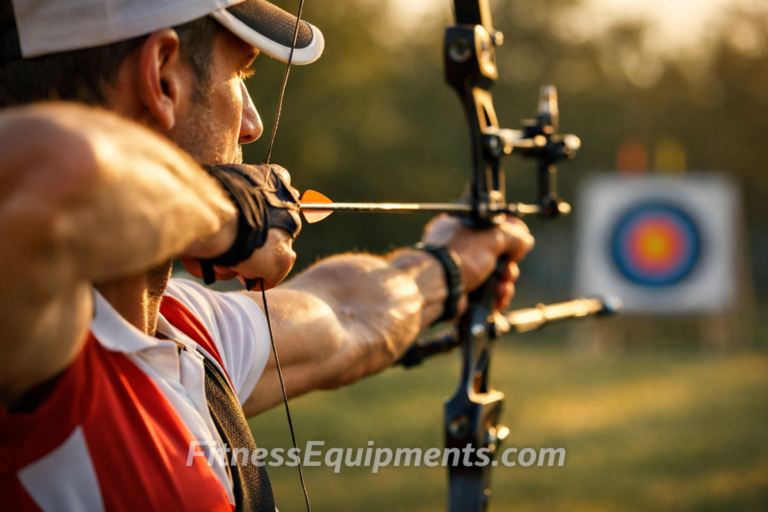
Introduction — The First Thing Your Fingers Will Thank You For
Picture this: you’ve just picked up a bow for the first time. You’re excited, focused, maybe a little nervous. You nock the arrow, draw back the string, and release. Perfect. So you do it again. And again. Ten shots in, your fingertips are on fire.
Sound familiar? It’s one of the most common experiences new archers share — and honestly, one of the most preventable. That’s exactly why archery gloves exist.
Whether you’re a beginner sorting out your first setup or an experienced shooter looking to upgrade your gear, choosing the right archery gloves can make a real difference — not just in comfort, but in your consistency and form over a long session. Without proper finger protection, you’ll either develop calluses the hard way or, more likely, flinch at the release to avoid the pain. That flinch? It ruins accuracy fast.
This guide breaks down everything worth knowing about archery gloves — what types exist, what to look for, how they compare to finger tabs, and which options are worth your money in 2026.
What Are Archery Gloves and Why Do They Matter?
Archery gloves are protective gloves — typically covering three fingers on the drawing hand — designed to shield your fingertips from the pressure and friction of the bowstring. At full draw, a bowstring can exert significant force on your index, middle, and ring fingers. Over dozens or hundreds of shots, that adds up quickly.
But archery gloves do more than protect. A well-fitted pair can actually improve your release. When your fingers aren’t bracing for pain, you draw more consistently, anchor more accurately, and release more cleanly. That’s a real performance benefit, not just a comfort upgrade.
Here’s what often gets overlooked: archery gloves also help protect your fingers in cold weather, when skin becomes less resilient, and during extended practice sessions when fatigue sets in. Many archers only think about gloves when they’re already hurting. The smarter move is to start with them from day one.
Archery Gloves vs. Finger Tabs: What’s the Difference?
Before diving into specific archery gloves, it’s worth addressing the most common question beginners ask: should I use a glove or a finger tab?
Both serve the same basic purpose — protecting your drawing fingers — but they work differently and suit different shooting styles.
Archery Gloves
A traditional archery glove covers three individual fingers with separate leather or synthetic finger stalls. They feel natural on the hand, allow full dexterity, and are especially popular with traditional archers, instinctive shooters, and anyone shooting in the field or hunting.
Benefits of archery gloves:
- Natural, intuitive feel on the hand
- Easier to put on and take off quickly
- Better suited to cold weather and outdoor shooting
- Popular choice for traditional and recurve archers
- Often preferred by hunters for their practicality
Drawbacks:
- Less string contact control than a tab
- Can wear unevenly across fingers over time
- Not always ideal for Olympic-style target shooting
Finger Tabs
A finger tab is a small flat pad — usually leather, synthetic, or a combination — that sits over the string-contact area of your fingers and is held in place by a ring or strap.
Benefits of finger tabs:
- Flat, consistent string contact surface
- Preferred in competitive target archery
- Often allows a cleaner, more consistent release
- Easier to customize with spacers and platforms
Drawbacks:
- Less intuitive feel, especially for new archers
- Requires a little more adjustment to get right
- Not as convenient for field or hunting scenarios
The short answer? If you’re shooting traditional, recurve outdoors, or hunting, archery gloves are likely your best fit. If you’re heading toward Olympic recurve or serious target competition, a finger tab may serve you better long-term. Many archers own both and use them depending on the context.
What to Look for in Archery Gloves
Not all archery gloves are created equal. Here’s what actually matters when you’re choosing a pair.
1. Material
The material of your archery gloves affects durability, feel, and how they respond to the string over time.
Leather is the traditional choice and remains popular for good reason. It molds to your hand with use, provides excellent grip and feel, and tends to be durable. Full-grain leather archery gloves are particularly long-lasting, though they may feel stiff initially.
Synthetic materials (nylon, neoprene, or polyester blends) are typically lighter, more affordable, and easier to care for. They don’t mold to the hand the way leather does, but they often provide more consistent performance right out of the package.
Suede and split leather options sit in the middle — softer than full-grain leather from the start, though they may not last as long under heavy use.
What commonly gets reported in archery communities: beginners often underestimate how much the material matters for the release. A thick, stiff glove can interfere with the string’s clean departure from your fingers. Look for archery gloves with thin, flexible fingertips — especially at the contact points.
2. Fit and Sizing
A poorly fitting archery glove creates its own set of problems. Too loose, and it shifts during the draw, causing inconsistency. Too tight, and it restricts blood flow and feel.
Most archery gloves come in S, M, L, and XL sizing based on hand circumference. Measure around your palm just below the knuckles (excluding the thumb) for the most accurate fit. When in doubt, check the manufacturer’s sizing chart — hand sizes vary more than people expect.
Look for archery gloves with adjustable wrist straps, which allow you to dial in the fit and prevent the glove from shifting during a draw.
3. Finger Coverage
Standard archery gloves cover the index, middle, and ring fingers — the three fingers used in the Mediterranean draw (the most common draw style). Some designs include a full palm backing for added stability; others are minimal by design.
If you shoot with a thumb ring (common in Asian traditional archery styles), standard archery gloves won’t apply. Thumb rings are a separate category entirely.
4. Ventilation and Comfort Over Long Sessions
This is where many budget archery gloves fall short. Shooting for an hour in warm weather with a poorly ventilated glove gets uncomfortable fast. Look for designs with open backs, mesh panels, or perforated leather that allow airflow.
If you’re primarily an indoor target shooter, ventilation matters less. For outdoor field archery or hunting, it becomes a real quality-of-life factor.
5. Durability at the Contact Points
The fingertips take the most abuse in any archery glove. Reinforced stitching, layered leather at the contact points, or added padding at the string groove area extends the life of the glove considerably. Check reviews specifically for how the fingertips hold up after extended use.
5 Best Archery Gloves in 2026
Here are five archery gloves worth considering across different budgets and shooting styles.
1. Neet Traditional Archery Glove — Best for Traditional Shooters
The Neet is a classic for a reason. Made with genuine leather finger stalls and an open-back design, it’s lightweight, breathable, and gives a clean feel on the string. It’s a go-to choice in the traditional archery community, and it’s held up well in user feedback over the years.
Best for: Traditional recurve and longbow shooters Material: Genuine leather Key feature: Three separate leather finger stalls, adjustable wrist strap Price range: Budget-friendly
2. Archery Traditions Deer Skin Glove — Best Leather Feel
If the feel of quality leather is important to you, deer skin archery gloves are hard to beat. Deer skin is notably soft right out of the box — it doesn’t need the break-in period that some full-grain leather gloves require — and it molds to your hand with use.
Commonly reported by archers who’ve made the switch: the improved string feel with deer skin archery gloves is noticeable, particularly at the moment of release. That tactile feedback helps with consistency.
Best for: Archers who prioritize feel and traditional aesthetics Material: Deer skin leather Key feature: Naturally soft, minimal break-in time Price range: Mid-range
3. Akozon Archery Shooting Glove — Best Budget Option
Not everyone wants to spend a lot on archery gloves when they’re just starting out — and that’s completely reasonable. The Akozon offers basic three-finger protection at a low price point. It won’t last as long as a quality leather glove, but it does the job for beginners building their form and getting comfortable with the sport.
A common experience among new archers: starting with an affordable pair like this, then upgrading once you know what features matter most to your shooting style. That’s a sensible approach.
Best for: Beginners and casual shooters Material: Synthetic leather Key feature: Affordable, available in multiple sizes Price range: Budget
4. Longbow Hunter Archery Glove — Best for Hunting
Hunting archers have specific needs that recreational target shooters don’t. You need archery gloves that are quiet (no velcro), functional in cold weather, easy to put on with one hand, and durable enough for field conditions.
The Longbow Hunter glove is designed with exactly those priorities in mind. It’s a heavier-duty option with reinforced tips and a secure fit that won’t shift during the draw in demanding outdoor conditions.
Best for: Bowhunters and field archers Material: Full-grain leather Key feature: Cold-weather performance, durable construction Price range: Mid to upper range
5. Shamrock Archery Glove — Best for Women and Smaller Hands
Fit is one of the most overlooked factors in archery gloves, and many standard options run large. The Shamrock line includes sizing specifically designed for smaller hands, which makes a real difference in feel and control.
A frequent complaint among women archers is that gloves marketed as “small” still don’t fit properly. Having options sized specifically for smaller hand dimensions isn’t a nice-to-have — it directly affects shooting comfort and performance.
Best for: Archers with smaller hands, women’s sizing Material: Genuine leather Key feature: Purpose-built sizing for smaller hands Price range: Mid-range
How to Break In New Archery Gloves
New leather archery gloves often feel stiff at first. That’s normal. Here’s how to break them in efficiently without damaging them.
The fastest method: Wear the archery gloves around the house for short periods before you shoot with them. Flex your fingers, make a fist, move your hand naturally. This softens the leather without the stress of drawing a bow before the glove has conformed to your hand.
The traditional method: Apply a small amount of leather conditioner or neatsfoot oil to the fingertips and palm area. Work it in gently, then let the glove dry naturally (not in direct heat). Repeat after the first few shooting sessions.
What rarely gets mentioned: don’t rush this process by soaking the glove or forcing it to stretch. Over-conditioning leather archery gloves can actually weaken the fiber structure over time. A little conditioner, applied regularly, goes further than a lot applied once.
Synthetic archery gloves typically require no break-in period, which is one of their practical advantages for new archers.
Caring for Your Archery Gloves
Taking care of your archery gloves significantly extends their lifespan. A few habits make a big difference.
For leather archery gloves:
- Wipe down after each session with a dry cloth to remove sweat and moisture
- Condition every few months, or whenever the leather starts to feel dry
- Store away from direct sunlight and heat, which dry out and crack leather
- If they get wet, let them air dry at room temperature — never use a dryer or radiator
For synthetic archery gloves:
- Most can be hand-washed with mild soap and cool water
- Air dry completely before storing
- Check the seams regularly — synthetic materials often fail at the stitching before the surface shows wear
Building the Habit: Actually Using Your Archery Gloves Every Session
Here’s a reality that gets overlooked in most gear guides: buying good archery gloves doesn’t help if you leave them in your bag. Many archers — especially those who’ve developed some calluses — start skipping the glove for “just a quick few shots” and then wonder why their release has become inconsistent.
The string is a humbling piece of equipment. It doesn’t care about your calluses. It will punish an unprotected flinch every time.
A simple habit that many experienced archers swear by: treat putting on your archery gloves the same way you treat nocking your first arrow — it happens before you shoot, every single time, no exceptions. It takes about ten seconds and removes the decision entirely.
If you’re someone who finds gloves uncomfortable or distracting, that’s usually a fit issue, not a gloves issue. Trying a different size or material is worth the effort before giving up on gloves altogether.
Frequently Asked Questions About Archery Gloves
Do I really need archery gloves, or can I just use a finger tab? Both work — it comes down to shooting style and personal preference. Archery gloves suit traditional and field shooting well; finger tabs are common in competitive target archery. Many archers try both before settling on a preference.
Can I use regular gloves instead of archery gloves? Regular gloves aren’t designed for bowstring contact and typically don’t provide the thin, consistent fingertip feel needed for a clean release. They can work in a pinch, but dedicated archery gloves make a noticeable difference.
How long do archery gloves last? With proper care, a quality leather archery glove can last several years of regular shooting. Synthetic options tend to wear faster at the contact points. Inspecting the fingertip areas regularly helps catch wear before it affects performance.
Do archery gloves come in left- and right-handed versions? Most archery gloves are designed for the drawing hand. Since most people draw with their right hand, the majority of gloves are right-handed by default. Left-handed versions are available but less common — check specifically when ordering.
Should beginners start with archery gloves or finger tabs? Archery gloves are often recommended for beginners because they feel more natural on the hand and are easier to size and fit. A finger tab has a small learning curve that can be an unnecessary variable when you’re already working on form fundamentals.
The Bottom Line on Archery Gloves
Getting the right archery gloves isn’t about finding the most expensive option or the one with the most features. It’s about finding a pair that fits well, suits your shooting style, and that you’ll actually use every session.
For most traditional and recreational archers, a quality leather three-finger glove — properly sized and well-maintained — is all you’ll ever need. For hunters, prioritize durability and cold-weather performance. For beginners, start with something affordable and comfortable, then upgrade once you understand what you want from your gear.
You’re already doing the right thing by researching before you buy. That kind of intentional approach to your gear carries over into your shooting — and that’s worth recognizing. Archery is a patient sport, and building a solid setup from the start makes every session more enjoyable.
Now go find a pair that fits, break them in, and put them on before that first arrow. Your fingers will thank you.
External Link: Link to USA Archery’s official equipment resources — dofollow